PARK WATCH Article December 2025 |
Legislation to create new national parks and conservation areas in the central west has finally passed the Victorian Parliament
In November 2025, the Victorian Legislative Council passed the Parks and Public Land Legislation Amendment (Central west and other matters) Bill, creating three new national parks, plus additions and new conservation parks.
Local communities and nature conservationists spent decades campaigning for better protection of these landscapes.
Back in 2021, the government listened to expert advice from the Victorian Environmental Assessment Council (VEAC), accepting 76 of 77 recommendations from the Central West Investigation Report. It promised to create three new national parks and several conservation reserves.
The new parks have been carefully designed to balance protecting important wildlife habitat while supporting recreation activities that suit each place.
VNPA has spent over 20 years sticking up for these forests. And now they finally have the protection they deserve!
Greater protection for nature
These new parks will keep the homes of hundreds of rare animals, plants and fungi permanently safe from damaging industries like mining and logging. They’ll let forests and wildlife heal after years of damage.
The headwaters where six major Victorian rivers begin their journey are finally protected by these parks. They’ll keep our air clean and lock away millions of tonnes of carbon in healthy forests.
Protected areas like these help us leave a healthy, thriving natural world as a gift to our children, grandchildren and the planet.
For people and communities of Victoria, these new parks provide beautiful places for families to explore, camp, hike and connect with nature. They bring new jobs to local towns through tourism and park management, and help Traditional Owners care for Country.
Protected areas support responsible recreation that doesn’t harm nature. They make sure clean drinking water flows to farms and towns by protecting river sources and help us cope with our changing climate. They keep nature connected and communities strong.
With your support, VNPA will continue to monitor the management of these parks and the fate of the many smaller promised conservation reserves in the central west still awaiting protection.
What’s not included?
The legislation does not include seven regional parks, 11 nature conservation reserves, 18 bushland reserves and expansions to existing reserves that were promised in the VEAC report. These are expected to be created under different legislation, through an amendment to the Public Land Act. VNPA will continue to monitor the progress of these promised protected areas.
 Wombat-Lerderderg National Park
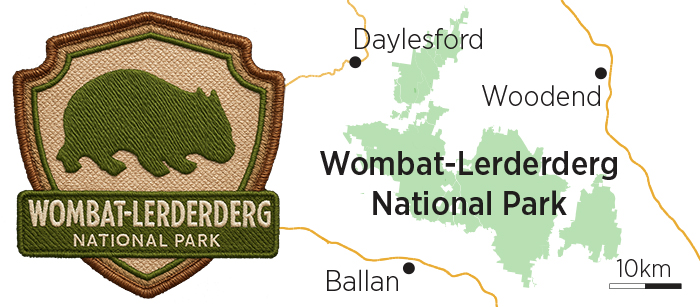
Wurundjeri, Dja Dja Wurrung & Wadawurrung Country
📐44,700 ha
THREATENED WILDLIFE: Western Burrowing Crayfish, Platypus, Musk Duck, Grey Goshawk, Little Eagle, Square-tailed Kite, Barking Owl, Powerful Owl, Sooty Owl, Gang-gang Cockatoo, Blue-winged Parrot, Swift Parrot, White-throated Needletail, Hooded Robin, Speckled Warbler, Diamond Firetail, Brush-tailed Phascogale, Common Dunnart, Southern Greater Glider, Mountain Skink, Growling Grass Frog, Golden Sun Moth
THREATENED PLANTS: Brown Treecreeper, Eastern Bent-winged Bat, Sticky Wattle, Dwarf Silver-wattle, Spotted Hyacinth-orchid, Wiry Bossiaea, Black Gum, Brooker’s Gum, Yarra Gum, Clover Glycine, Creeping Grevillea, Basalt Peppercress, Hairy Beard-heath, Austral Tobacco, Dense Mint-bush, Tangled Pseudanthus, Swamp Bush-pea, Fragrant Saltbush, One-flower Early Nancy, Western Pellitory, Southern Blue-gum, Golden Bush-pea, Pale Swamp Everlasting, Wombat Bush-pea, Small Sickle Greenhood, Brock Knawel, Tiny Violet, Fuzzy New Holland Daisy, Bacchus Marsh Wattle, Large-leaf Cinnamon-wattle, Grey Scentbark, Tasman Fan-fern, Wombat Bossiaea, Werribee Blue-box, Canary Dermocybe, Orange Dermocybe
SIGNIFICANCE: Largest intact forest between Grampians (Gariwerd) and eastern highlands. Protects headwaters of six major rivers.
ACTIVITIES: Bushwalking, camping, 4WD, mountain biking, fishing.
Wombat Forestcare members and supporters are celebrating three new national parks. There is so much wildlife, both rare and threatened, that will now have their habitat permanently protected. This is the opportunity for those forests that have been logged to recover and age and provide homes for all the forest animals such as our iconic Koalas.
Our community and VNPA have worked hard to have these forests recognised for their incredible wildlife. Many local nature groups have supported the campaign; community members have attended protest events and written letters to politicians. This has been an incredible team effort that has at last resulted in success.
Gayle Osborne, Wombat Forestcare
 Mount Buangor National Park
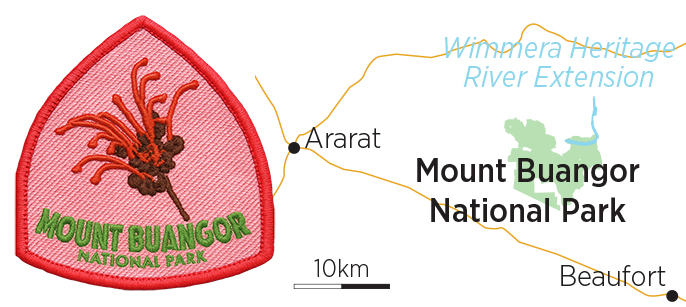
Eastern Maar & Djab Wurrung Country
📐5,300 ha
THREATENED WILDLIFE: Lewin’s Rail, Little Eagle, Square-tailed Kite, Powerful Owl, Blue-winged Parrot, White-throated Needletail, Speckled Warbler, Brush-tailed Phascogale
THREATENED PLANTS: Brown Treecreeper, Wiry Bossiaea, Yarra Gum, Tight Bedstraw, Shiny Tea-tree, One-flower Early Nancy, Colourful Spider-orchid, Deane’s Wattle, Dwarf Boronia, Grampians Bitter-pea, Large-fruit Yellow-gum, Mount Cole Grevillea, Orange Billy-buttons, Slender Fireweed, Penny-leaf Flat-pea
SIGNIFICANCE: Protects headwaters of Wimmera River and tributaries. Wildlife hotspot with old-growth gullies and dry ridges.
ACTIVITIES: Bushwalking, birdwatching, camping, 4WD, mountain biking; features the popular multi-day Beeripmo Walk.
NatureWatch has worked closely with citizen scientists, local nature lovers and landowners in surveying the incredible array of wildlife in what will become Mount Buangor National Park. We’ve conducted post-fire surveys at Mount Cole to look at the recovery of plants and animals, like the Critically Endangered Mount Cole Grevillea.
Along with our wildlife monitoring in two other newly protected areas – Wombat-Lerderderg National Park and Cobaw Conservation Park – the boundlessly enthusiastic work of our citizen scientists has helped contribute to increased knowledge, appreciation and understanding of these wonderful natural areas.
Sera Blair, NatureWatch Coordinator
 Pyrenees National Park
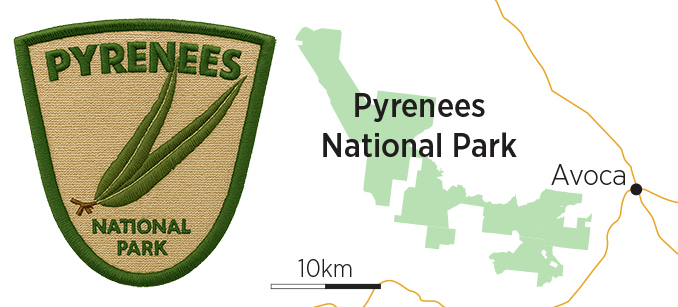
Wadawurrung, Dja Dja Wurrung, Wotjobaluk, Djab Wurrung & Eastern Maar Country
📐15,126 ha
THREATENED WILDLIFE: Platypus, Little Eagle, Powerful Owl, Swift Parrot, Hooded Robin, Southern Whiteface, Speckled Warbler, Painted Honeyeater, Diamond Firetail, Lace Monitor
THREATENED PLANTS: Brown Treecreeper, Buloke, Clover Glycine, Bristly Bush-pea, Tucker’s Spear-grass, Squat Picris, Late-flower Flax-lily, Pyrenees Gum
SIGNIFICANCE: Protects Avoca and Wimmera catchments, reducing erosion and improving water quality. Safeguards 15,000 ha of forest habitat.
ACTIVITIES: Bushwalking, scenic viewing, 4WD.
Camping in the forests of the Pyrenees Ranges is such a memorable experience, such as waking to the sounds of parrots and galahs overhead and exploring the rich wildflower-filled forests. And the orchid displays there can be remarkable!
This place was long overdue for protection as a national park. I’m very pleased this is finally happening. I hope many more Victorians get the opportunity to discover and enjoy its wonders at the same time as its plants and wildlife get the protection they deserve.
David Tatnall, Nature photographer
 Wellsford Forest, Bendigo Regional Park addition
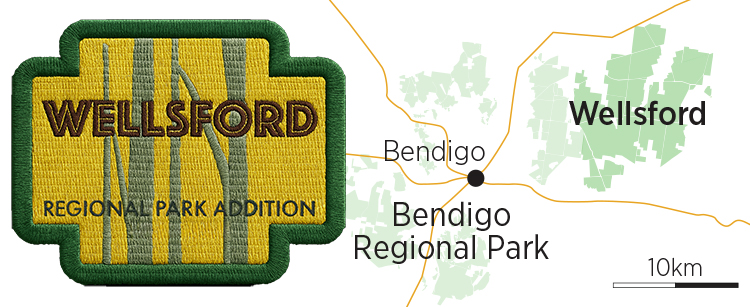
Dja Dja Wurrung Country
📐7,100 ha added to Bendigo Regional Park
THREATENED WILDLIFE: Little Eagle, White-bellied Sea-Eagle, Square-tailed Kite, Swift Parrot, White-throated Needletail, Hooded Robin, Crested Bellbird, Grey-crowned Babbler, Chestnut-rumped Heathwren, Speckled Warbler, Diamond Firetail, Brush-tailed Phascogale, Pink-tailed Worm-Lizard, Lace Monitor, Brown Toadlet
THREATENED PLANTS : Brown Treecreeper, Ausfeld’s Wattle, Bent-leaf Wattle, Whirrakee Wattle, Buloke, Clover Glycine, Small-leaf Goodenia, Sand Rush, Dainty Phebalium, Sikh’s Whiskers, Crimson Sun-orchid, Inland Red-tip Greenhood, Southern Swainson-pea, Dwarf Cassinia
SIGNIFICANCE: One of Victoria’s largest and best Box-Ironbark forests. Important to the network of forests around Bendigo and in linking them with the Campaspe River to the east.
ACTIVITIES: Bushwalking, biking, bird-watching, camping. Protects scar trees, artefact scatters and First Nations cultural sites.
Wellsford Forest is an amazing place with so many varieties of trees and plants. Everyone’s always knocked out by the big Ironbarks, but Wellsford has many different special areas.
Its Grey Box Grassy Woodland is a remnant of what the northern plains were once like. This sandy area harbours the Endangered Dookie Daisy, right near a magnificent 300+ year old White Box. Strolling through you’ll see Yellow Gum, Red Gum, Grey Box, Green and Bull Mallee. And we’ll soon see the amazing Summer blooming of Ironbarks, beginning to yield nectar in early February. No wonder the Swift Parrots drop in here (over 400 counted this year) on their yearly migration from Tassie. They’ve got good taste!
Wendy Radford, Bendigo and District Environment Council
Mirboo North Conservation Park
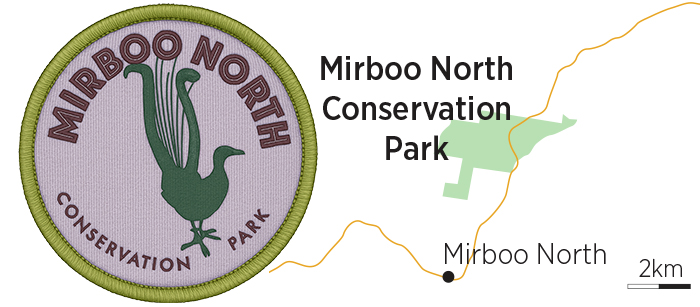
Gunai Kurnai Country
📐approx 440 ha
THREATENED WILDLIFE: Southern Greater Glider, South Gippsland Burrowing Crayfish, Lace Monitor, Powerful Owl, Superb Lyrebird
THREATENED PLANTS: Rush Lily, Strzelecki Gum
SIGNIFICANCE: This tall wet forest is a vital refuge in an area heavily cleared for agriculture and plantations.
ACTIVITIES: Bushwalking, birdwatching, geocaching. The Lyrebird Forest Walk is a moderate one and a half hour bushwalk through the park.
This is significant victory in the campaign by Preserve our Forests Mirboo North to protect this small, yet vital forest area. It contain endangered and vulnerable habitats which are home to so much native wildlife like Greater Gliders, Powerful Owls, Strzelecki Koalas and Superb Lyrebirds, just to name a few.
After an eight year campaign, significantly supported by the Mirboo North community and people from far and wide sharing their expertise, skills and dollars, we can finally celebrate this achievement. The designation of conservation park for this forest is a balance of conservation and recreation.
Marg Thomas, Preserve our Forests Mirboo North
Cobaw Conservation Park
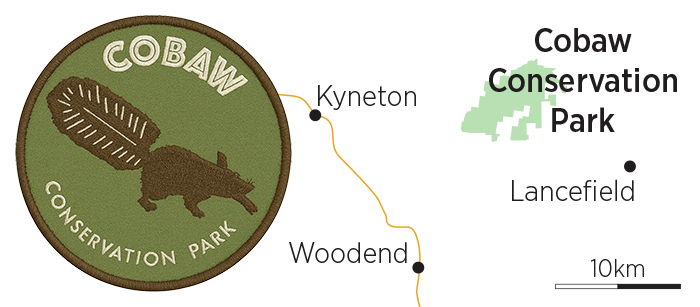
Wurundjeri & Taungurung Country
📐2,532 ha
THREATENED WILDLIFE: Little Eagle, Powerful Owl, Blue-winged Parrot, Brush-tailed Phascogale, Tufted Club-sedge
SIGNIFICANCE: Important habitat corridor connecting central west forests to Macedon and beyond. Protects Campaspe River tributaries, improves stream health and reduces erosion.
ACTIVITIES: Bushwalking, biking, climbing, orienteering. Significant Aboriginal heritage sites, and joint management with Traditional Owners
Legislating Cobaw Conservation Park is a meaningful step that shows how science-based recommendations can become lasting protection for nature. It’s proof that persistence works, but also a reminder of how long overdue this protection is. It’s taken years of community advocacy, science and perseverance to get here.
Protecting Cobaw’s forests and granite ridges is a victory for nature. These new protections safeguard rare wildlife and precious bushland, and prove nature conservation and regional prosperity can go hand in hand.
Ben Gill, Nature Conservation Campaigner
 Hepburn Conservation Park

Dja Dja Wurrung Country
📐2,714 ha
This park will protect forest and woodland in the heart of Dja Dja Wurrung Country. It will safeguard precious habitats, support native wildlife and help strengthen the landscape’s resilience to climate change.
We welcome the government’s commitment to consult with the Dja Dja Wurrung Clans Aboriginal Corporation on the potential granting of Aboriginal title, recognising the deep cultural and spiritual connection Traditional Owners hold with this Country. This partnership offers a chance to care for Country in ways that honour both ecological and cultural values for generations to come.
- Read the latest full edition of Park Watch magazine
- Subscribe to keep up-to-date about this and other nature issues in Victoria
- Become a member to receive Park Watch magazine in print