H5 bird flu (avian influenza) has been detected in Victoria for the first time. Preliminary testing found the virus in a greater crested tern in Portland, in the state’s south-west. Scientists at CSIRO’s Australian Centre for Disease Preparedness in Geelong are running further tests to confirm the result.
This follows confirmed cases in Western Australia, South Australia, New South Wales and Queensland. Authorities now consider the virus impossible to eradicate from Australian wildlife altogether. The Victorian Government has activated its State Emergency Animal Disease Response Plan in response.
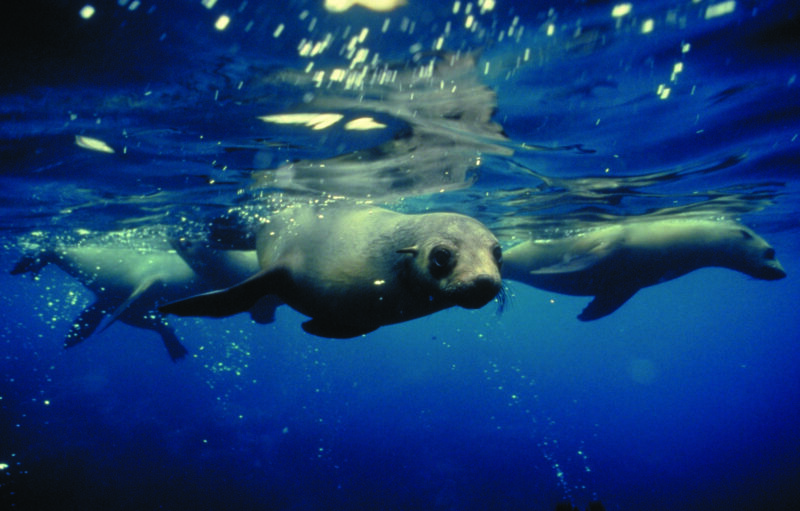
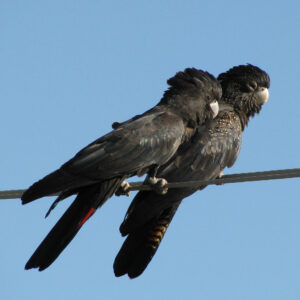
More than 150 Australian wildlife species could be at risk if the virus spreads further, including birds like White-bellied Sea Eagles and Red-tailed Black Cockatoos, and marine mammals like Australian Fur Seals. This strain has caused large numbers of deaths in wild birds and some mammals overseas, so this is a serious moment for Victoria’s wildlife. There are clear steps you can take to help.
 Current situation (Source: Agriculture Victoria / DEECA, 30 July 2026)
- H5 bird flu has been confirmed in one wild bird in Victoria, found in Portland.
- There are no detections in poultry anywhere in Australia, and no signs of mass wildlife deaths.
- There are currently no movement restrictions on poultry or birds in Victoria.
- The risk to human health remains low.
- Victoria’s response plan aims to limit impacts on threatened species while protecting farmers and reducing risk to poultry.
How you can help
Community reports are now more important than ever. If you find a sick or dead wild bird or animal, please act quickly:
- AVOID contact with the animal and its surroundings
- RECORD what you see (photos help)
- REPORT it to DEECA using the online form or the Emergency Animal Disease Hotline on 1800 675 888
When to report:
- Report clusters of 5 or more sick or dead wild birds of any species, anywhere in Victoria.
- Report even a single sick or dead wild seabird, waterbird, shorebird or bird of prey.
- Report even a single sick or dead marine mammal (e.g. seal, sea lion, dolphin).
DEECA assesses each report and decides if testing is needed. Reporting a sick or dead animal can be distressing, but every report helps track the spread and protect Victoria’s wildlife. Thank you for your help.
For the latest updates, visit birdflu.gov.au or agriculture.vic.gov.au/birdflu.
More information
- Australian Government bird flu resources: birdflu.gov.au
- Agriculture Victoria — bird flu in Victoria: agriculture.vic.gov.au/biosecurity/animal-diseases/poultry-diseases/avian-influenza-bird-flu
- Agriculture Victoria — H5 bird flu resources: agriculture.vic.gov.au/…/H5N1-avian-influenza-H5-bird-flu/resources
- Victorian Department of Health — Avian influenza: health.vic.gov.au/infectious-diseases/avian-influenza-bird-flu
- DEECA — H5 bird flu: wildlife.vic.gov.au/…/high-pathogenic-avian-influenza
- Wildlife Health Australia — Avian influenza alert: wildlifehealthaustralia.com.au/…/Alert-H5N1-H5-bird-flu-global-outbreak
- AUSVETPLAN — Avian influenza response strategy: animalhealthaustralia.com.au/ausvetplan